-Authentic Experience · Nagoya

Tokoname Sake Brewery: A Taste of Time at Historic Hakurou

Experience the Tokoname Sake Brewery at historic Hakurou and step inside nearly 180 years of Japanese brewing heritage. Learn how Sawada Shuzo preserves traditional koshiki densho techniques using rare cedar kioke fermentation barrels, seasonal brewing, and Tokoname’s natural winter environment.

Duration

210 min

Group size

2-8 guests

From

¥20,000

Location

Nagoya

By Rhojani Francisco

Category: Food Experience 

Reading time: 15 min

Most commercial sake tastings begin with a small glass and a brief explanation before sending you on your way. A visit to the Tokoname Sake Brewery at historic Hakurou offers something far more meaningful. At Sawada Shuzo, you’ll step inside a living piece of Japan’s brewing heritage, where the natural environment of Tokoname, centuries-old craftsmanship, and the philosophy of koshiki densho come together to create authentic Japanese sake using traditional methods that have endured for generations.
I

酒造 · Sake Brewery

TOKONAME SAKE BREWERY: Preserving Nearly Two Centuries of Brewing Heritage

At a Glance

To trace the origins of Sawada Shuzo is to discover the history of the Hakurou sake brewery. Founded in 1848 during the late Edo period, the brewery has served the Chita Peninsula for nearly two centuries. Today, it remains an important cultural landmark. At the time, the region was known for producing premium sake. Merchants shipped it along coastal trade routes to Edo, Japan’s political center.


Today, the brewery’s historic wooden storehouses continue to work in harmony with Tokoname’s natural environment. Positioned to capture the cold Ibuki-oroshi winter winds, they help maintain ideal conditions for slow seasonal fermentation while preserving traditional brewing practices.

The Architecture of Time: Preserving Tokoname’s Historic Storehouses

Unlike many modern breweries, Sawada Shuzo continues to preserve its historic brewing environment. Rather than functioning as a museum, the Hakurou sake brewery remains a working brewery where its Edo-period layout continues to support traditional sake production.

Ancient timber beams, thick clay walls, and natural spring water have supported Sawada Shuzo’s brewing environment for generations. Working in harmony with Tokoname’s climate, these enduring features continue to preserve both the brewery’s historic architecture and its traditional sake-making practices.

  • The Kitakura Legacy
    The historic North Cellar showcases traditional Japanese timber construction. Its naturally stable temperature provides ideal conditions for seasonal sake maturation without relying on modern climate-control systems.
  • The Kioke Tradition
    Rare cedar kioke fermentation barrels remain at the heart of the brewery’s traditional brewing process. Maintained by skilled craftsmen, these vessels preserve a centuries-old cooperage tradition that has become increasingly rare in Japan.

178

YEARS OF HERITAGE

江戸

EDO PERIOD ORIGINS

Inside the Tokoname Sake Brewery: Exploring Edo-Period Storehouses

The historic kura (storehouses) showcase the practical ingenuity of Edo-period brewery design. Thick clay walls, sturdy cedar pillars, and high ceilings naturally regulate the temperature. Together, they create ideal conditions for winter sake brewing. As a result, the brewery has preserved a stable environment for fermentation for generations.

Meanwhile, the surrounding walls display traditional brewing tools. These include koji-buta (cedar trays for cultivating malted rice) and hand-carved wooden paddles polished through decades of use. The dim interior also helps protect the historic timber and the delicate historic brewing environment that contribute to the brewery’s unique character.

At the heart of the brewery stand massive kioke wooden barrels resting on earth foundations. Above them, small louvered windows admit cool winter air while limiting direct sunlight. Consequently, the kura continues to support traditional brewing methods.

  • A Legacy of Structural Endurance: The Resilience of the North Cellar
    Built to withstand industrialization, the historic timber framing of the Hakurou sake brewery remains a monument to mid-19th-century Japanese architecture. Today, it continues to anchor Tokoname’s cultural heritage.

“A sake brewery may be more than a place where alcohol is made. It can also be a place that preserves and conveys the memory of a region.” — Sawada Shuzo

How the Tokoname Sake Brewery Preserves Koshiki Densho

古式伝承 Koshiki Densho—represents Sawada Shuzo’s commitment to preserving traditional sake brewing practices. Rather than rushing production, the brewery continues to brew in harmony with the seasons, protecting techniques passed down through generations.

II

醸造 · Fermentation

CULTURAL FOUNDATION: The Spirit of Sake-Zukuri and the Heritage of Hakurou

The core ethos of the Hakurou sake brewery views sake-zukuri as a natural extension of the surrounding environment rather than a purely industrial process. While many modern breweries rely on carefully controlled conditions to maintain consistent quality, Sawada Shuzo continues to brew in close dialogue with the seasons and the climate of the Chita Peninsula. For these brewers, each winter brings its own character, shaping the personality of each seasonal brew. This approach reflects the Japanese concept of fūdo, which describes the inseparable relationship between place, climate, people, and culture.

The Biological Foundations of Traditional Fermentation


Kioke Cedar Barrels

Wooden Barrel · 木桶

For centuries, traditional Japanese sake brewing has relied on large wooden fermentation vessels. Today, handcrafted cedar kioke barrels continue to play an important role in preserving traditional brewing practices. More than simple containers, they provide a distinctive environment for fermentation that has been cultivated through generations of use.

Over decades, the porous cedar develops a unique microbial environment that supports traditional fermentation. Working in harmony with Tokoname’s seasonal climate, these historic vessels contribute to the slow, careful brewing process while preserving centuries of sake-making heritage.


Stainless Steel & Artificial Automation

Steel Barrel · 鋼桶

During the mid-20th century, much of Japan’s sake industry shifted to stainless steel tanks and mechanized brewing to improve efficiency and ensure consistent results. As a result, many breweries reduced their reliance on seasonal conditions and traditional brewing practices.

In contrast, Sawada Shuzo continues to embrace a slower, seasonally guided approach to sake brewing. Rather than relying solely on modern technology, the brewery works in harmony with the local climate and traditional techniques that have been passed down through generations. As a result, each brew reflects the character of the Chita Peninsula while preserving centuries of sake-making craftsmanship.

Preserving Traditional Brewing Heritage

During the mid-20th century, much of Japan’s sake industry adopted stainless steel tanks and mechanized brewing to improve efficiency and ensure consistent production. In contrast, Sawada Shuzo continues to preserve traditional sake-zukuri practices. Rather than prioritizing speed and volume, the brewery works in harmony with the local climate, seasonal conditions, and techniques passed down through generations.

Likewise, Sawada Shuzo continues to preserve and use kioke for selected brewing processes. These handcrafted cedar barrels require exceptional skill to maintain, yet only a small number of master coopers continue this traditional craft in Japan today. Preserving these vessels is therefore not only essential to the brewery’s heritage, but also contributes to safeguarding an important part of Japan’s sake-making tradition. Through this enduring commitment to craftsmanship, Sawada Shuzo continues to carry forward nearly two centuries of brewing history.

Four Expressions of Chita's Brewing Heritage


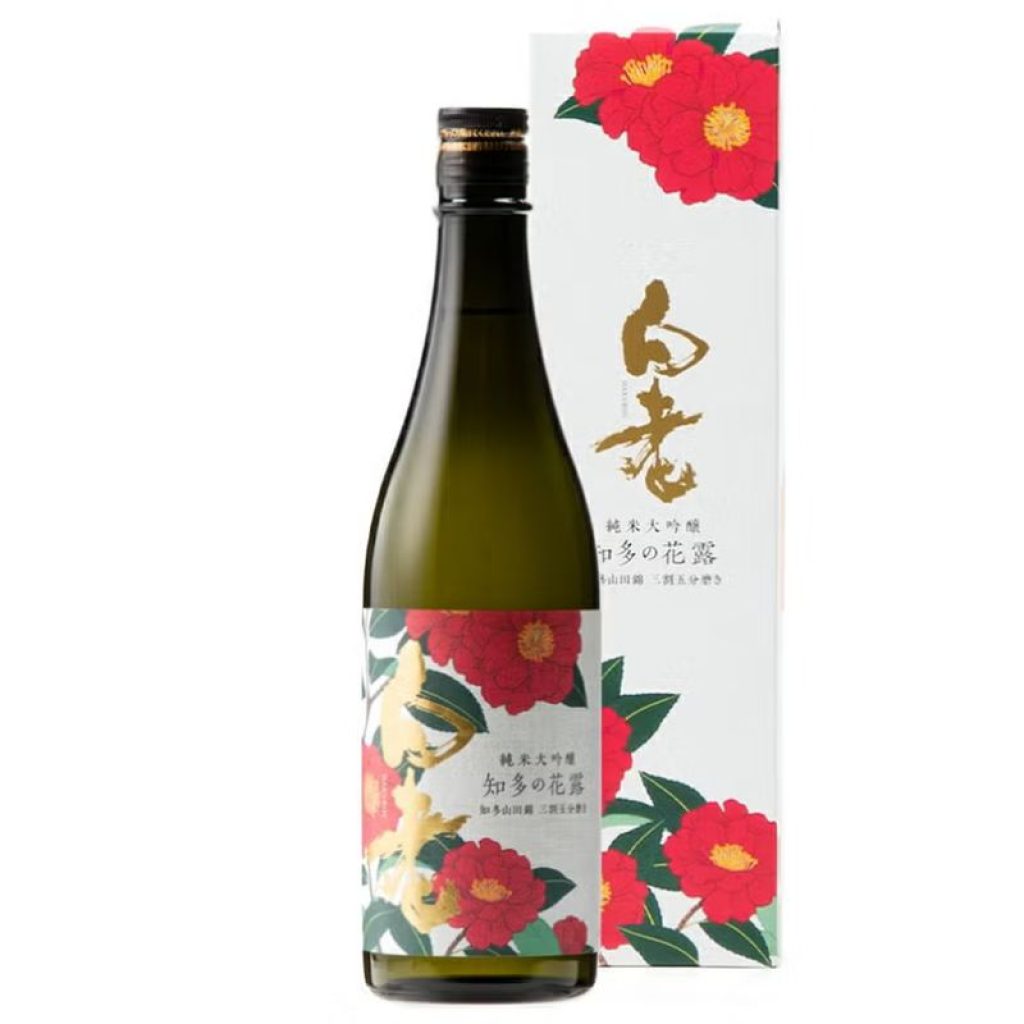
Chita no Hanamoyu

知多の花暦

Celebrating the Chita Peninsula’s floral seasons, this ultra-premium sake is crafted from locally grown Yamada Nishiki rice polished to 35% of its original size. Slow, low-temperature fermentation creates a remarkably clean finish while preserving the elegant sweetness and refined character of the region.

64


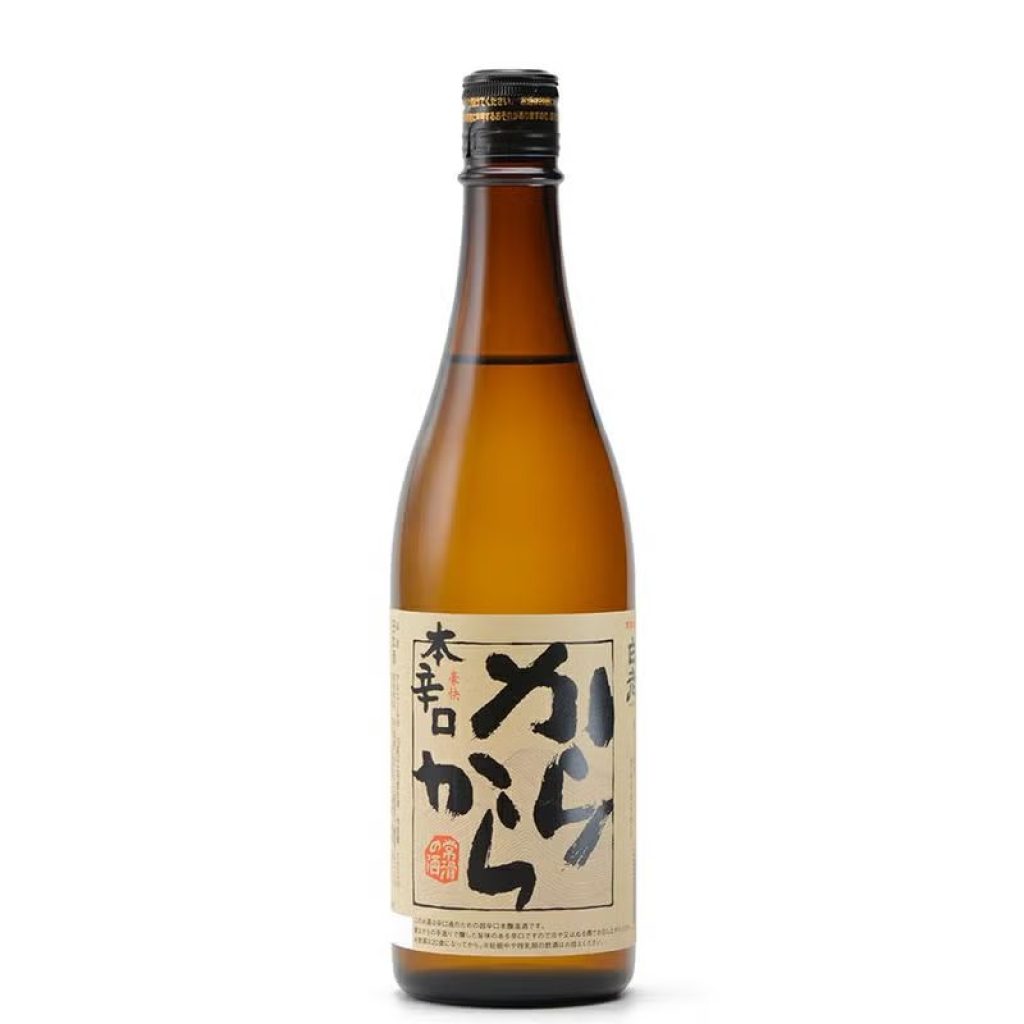
Karakara Hakurou

からから 白老

Named for its crisp, bone-dry profile, Karakara reflects the working-class heritage of Tokoname. Traditionally brewed to sustain local ceramic artisans, it pairs beautifully with Aichi’s hearty coastal cuisine and can be enjoyed either chilled or gently warmed.

2

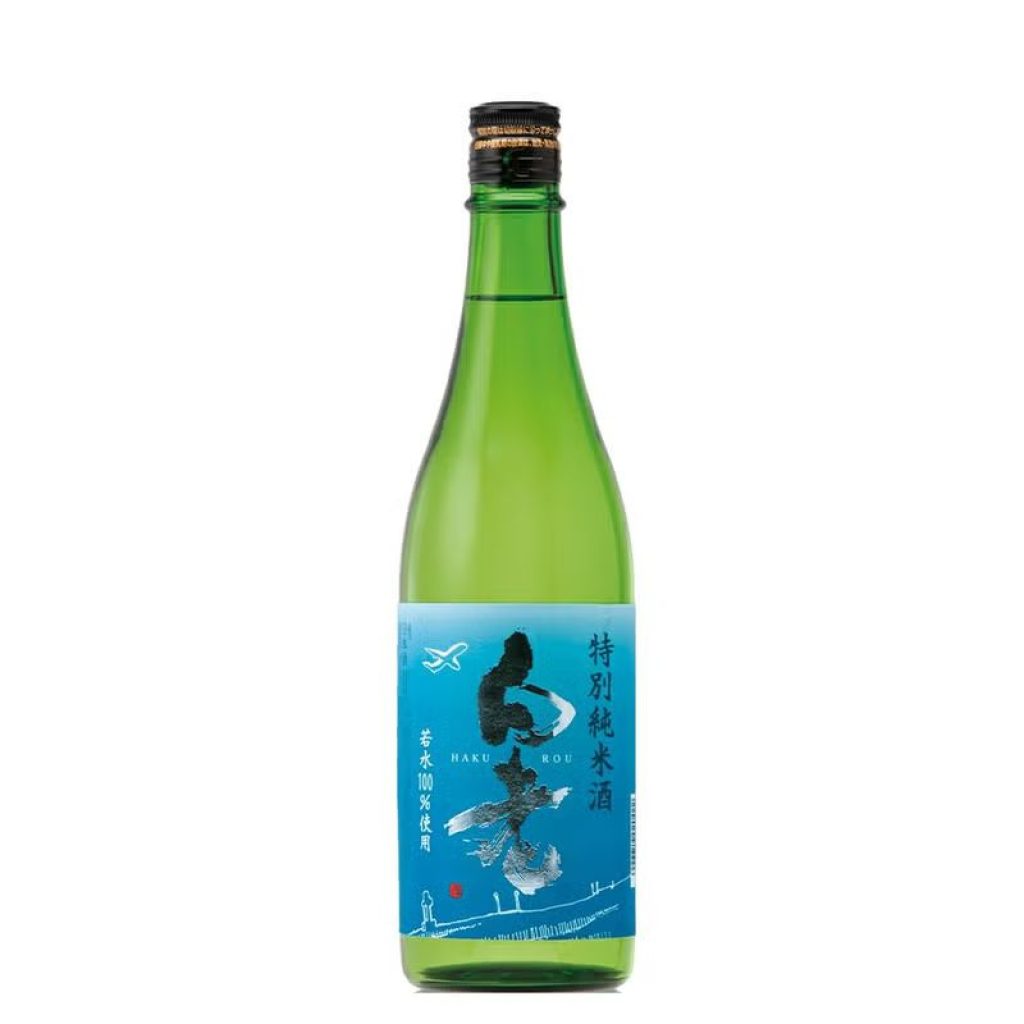
特別純米酒

Tokubetsu Junmai

Wakamizu

特別純米酒

Brewed exclusively with Wakamizu rice, a heritage variety native to Aichi Prefecture, this sake showcases the region’s rich agricultural heritage. Combined with pure underground spring water, it delivers a robust umami profile that captures the distinctive character of the Chita Peninsula.

3

豊醸

Houjou

豊醸

Houjou revives the traditional art of jukuseishu (aged sake). Matured for over 24 months in the brewery’s historic cellars, it develops a rich amber color, velvety texture, and deep, mellow character that reflects the elegance of time-honored brewing.

2

III

作陶家 · Ceramic Artist

THE CHOSEN HANDS: The Four Masters of the Sasarake Collection

To explore the unique character of Hakurou sake, Sawada Shuzo partnered with four of Tokoname’s most revered contemporary ceramic artists. Each artisan was tasked with designing a bespoke vessel tailored entirely to the chemical and aromatic profile of one specific vintage, ensuring a perfect marriage of regional soil and liquid craft.

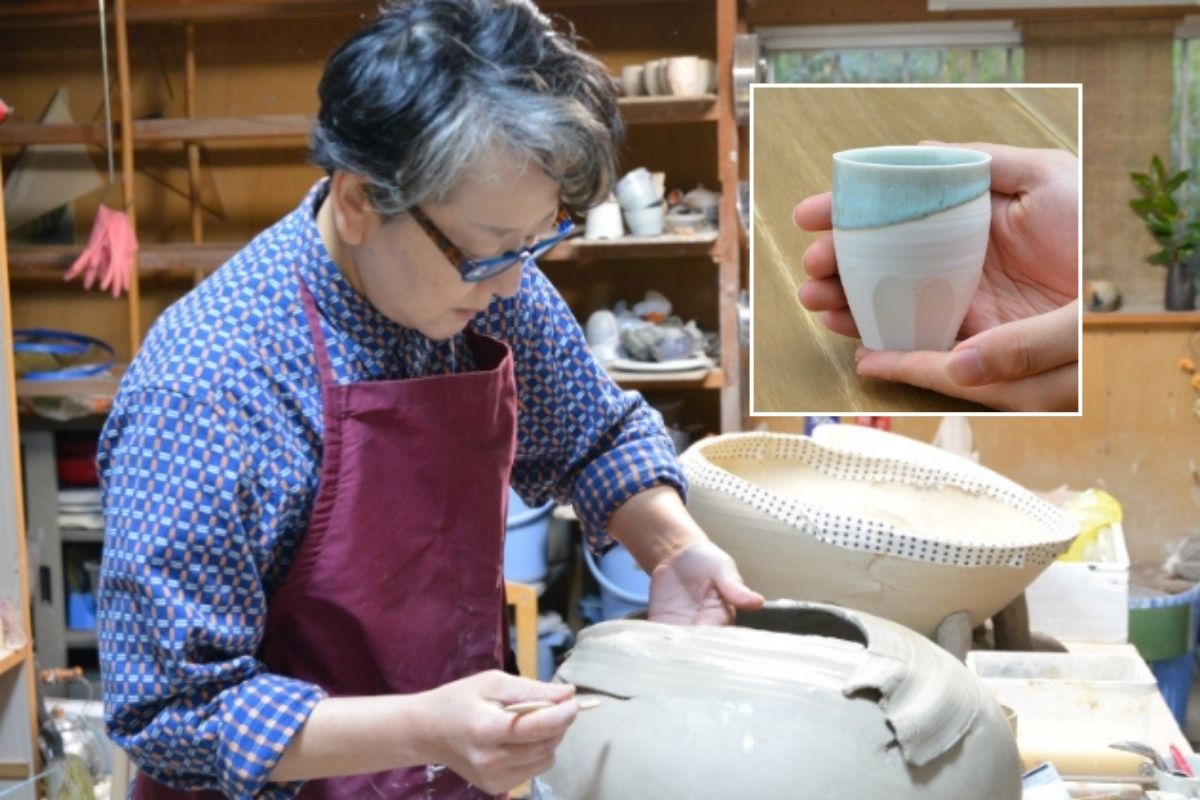
Internationally renowned ceramic artist Mami Kato hand-sculpting a large clay piece, with an inset image of her elegantly tapered premium sake cup.

Mami Kato — Hanamoyu (花露) 

加藤真美

Internationally acclaimed ceramic artist Mami Kato brings her refined artistic sensibility to the Hanamoyu vessel, with works held in museums worldwide. Its elegant, gently tapered form is designed to enhance the delicate aromas and refined character of this premium sake. Rather than serving as a decorative object, the vessel reflects a thoughtful balance between form and function, shaped to complement both the fragrance and texture of the drink. The result is a drinking experience that highlights the harmony between Tokoname craftsmanship and the expressive elegance of Hakurou’s Junmai Daiginjo.

Master ceramicist Koichiro Takeuchi crafting a large vessel on a wheel, with an inset image of his traditional wood-fired ash-glazed sake cup.

Koichiro Takeuchi — Karakara (からから)

竹内孝一郎

Koichiro Takeuchi draws on generations of Tokoname pottery tradition to create a vessel inspired by the rugged character of the Chita Peninsula. The wide, open form allows the sake’s crisp aroma to unfold naturally, while the contrast between the textured exterior and ash-glazed interior enhances the sensory experience. Designed with a strong connection to local materials and coastal culture, the cup reflects the dry, refreshing profile of Karakara. Its form encourages a relaxed, unhurried tasting style that brings out the clean finish and understated depth of the sake.

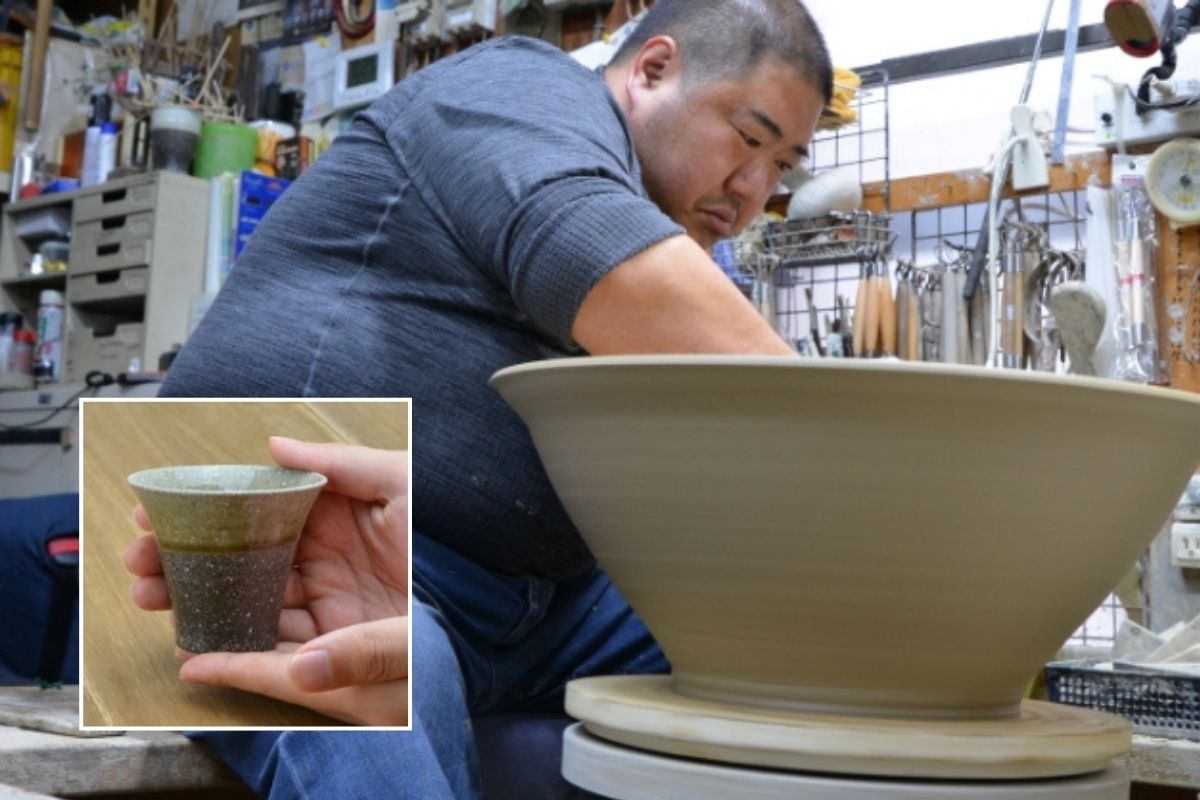
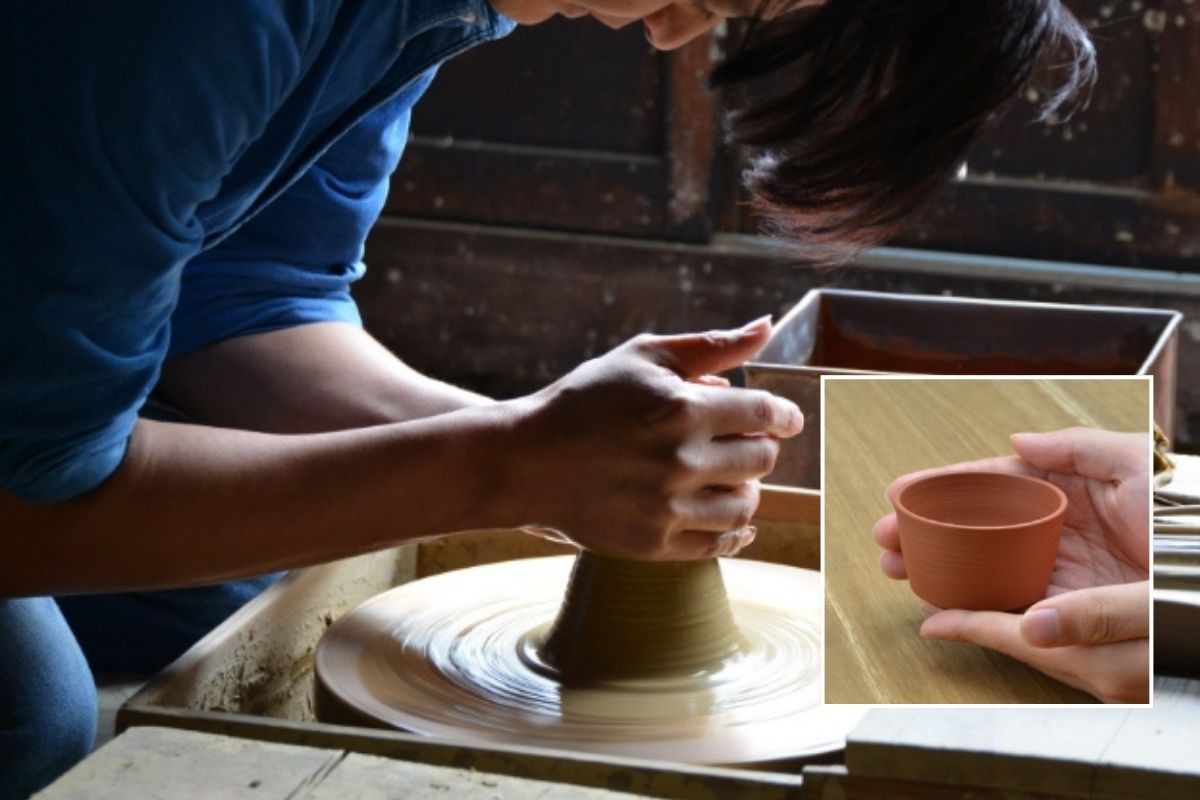
Ceramic artisan Shimizu Kohokujo throwing clay on a potter's wheel, with an inset image of his hand-thrown, unglazed red-clay sake cup.

Shimizu Kohokujo — Wakamizu (若水)

清水小北條

Raised in a family of master Tokoname teapot makers, Shimizu Kohokujo approaches the Wakamizu vessel with deep respect for raw clay and traditional craftsmanship. Hand-thrown on the potter’s wheel, the unglazed yakishime surface emphasizes texture, warmth, and natural variation. The design highlights the earthy character of locally sourced materials, creating a tactile experience that complements the umami richness of the sake. Rather than imposing interpretation, the vessel allows the drinker to engage directly with the sake’s structure and depth, reflecting the quiet beauty of traditional Japanese ceramics.

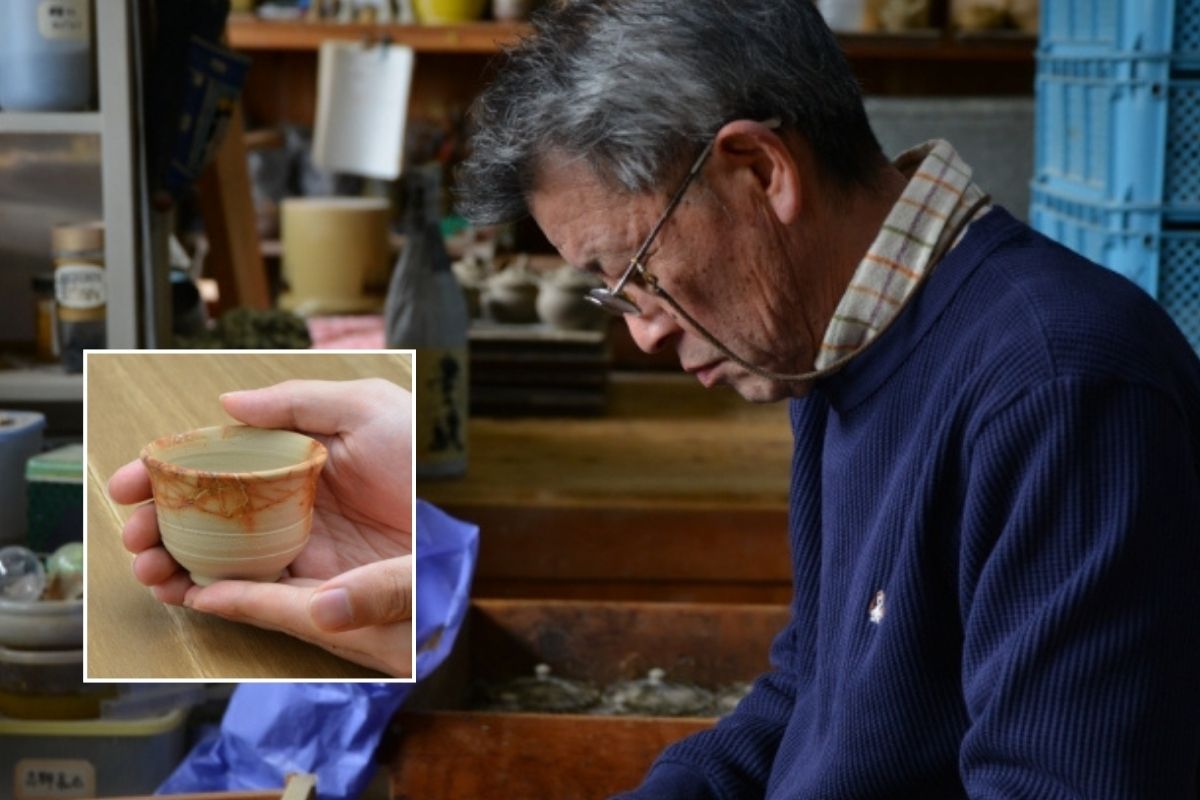
Master ceramic artist Hitoshi Tanikawa in his workshop, with an inset image of his signature seaweed-fired mogake Tokoname-yaki sake cup.

Hitoshi Tanikawa — Houjou (豊醸)

谷川仁

Hitoshi Tanikawa is known for his mastery of the traditional mogake technique, in which wild seaweed is wrapped around clay before firing. This process creates unique natural patterns that make each Houjou vessel one of a kind. The weight and form of the cup encourage a slower, more reflective drinking pace, well suited to aged sake. As the sake develops in character over time, the vessel mirrors this sense of depth through its organic surface and grounded presence. The result is an experience that emphasizes patience, tradition, and the quiet complexity of maturation.

IV

流れ · Flow

BREWING IMMERSION: The Journey of an Ancestral Sake-Zukuri

TIMEWHAT HAPPENSNOTES
20minOrientation & Media PresentationBegin with an immersive slide and video presentation detailing the 1848 Edo-period roots of Sawada Shuzo. Trace how the Chita Peninsula's unique geology, rich clay soils, and historic maritime trade routes shaped the identity of the Hakurou sake brewery.
20minHistoric Brewery TourStep inside the operational vintage kura (storehouses) for an exclusive guided walkthrough. Learn about the peninsula's rich brewing heritage and traditional sake-making culture firsthand while viewing the historic wooden tools and majestic cedar fermentation barrels (kioke).
30minPremium "Sasarake" TastingIndulge in a premium 6-tier tasting experience. Sample exceptional Hakurou varieties, seasonal unpasteurized expressions (Namazake), and ancestral plum wine. Experience how raw earth mineralogy alters flavor profiles using the exclusive, artisan-crafted "Sasara-ke" Tokoname-yaki cup set, beautifully paired with a local fermented appetizer plate.
20minCurated Shopping & Keepsake SelectionConclude your journey with dedicated time in the brewery store. Evaluate the material traits of your tasting vessels to select your favorite individual cup from the 4-piece "Sasara-ke" set to take home as a world-exclusive keepsake, alongside a private opportunity to browse and purchase limited-edition vintages.

What’s included: A guided historic brewery tour, a premium 6-tier tasting flight, an artisan Tokoname ware sensory experience using the exclusive Sasara-ke cup set, a curated Aichi fermented appetizer plate, a handcrafted take-home Tokoname-yaki sake cup of your choice, and all experience and facility fees.

Book this experience

Authentic 100% natural

Standard Plan

2 Participants

¥20,000

Per Person

Immerse yourself in the living winter-brewing heritage of Sawada Shuzo. Includes a fully guided historical storehouse tour, a premium 6-tier tasting masterclass using the exclusive artisan “Sasarake” cup set, local fermented pairings, and a handcrafted Tokoname-yaki keepsake cup to take home.

Most popular 

5 Participants

¥100,000

Per Person

8+ Guests

Larger groups

Enquire

maximum 5 guests

For 9 or more guests, send us an inquiry to arrange your group. Our team will tailor a private session to fit your needs perfectly. Please note that additional fees may apply depending on the total number of participants.

よくある質問 · Before you book

Frequently asked questions

The legal drinking age in Japan is 20 years old. Due to Japan’s strict zero-tolerance drunk driving laws, designated drivers are strictly prohibited from participating in the sake tasting. Minors may accompany adult participants free of charge under close supervision but must absolutely not consume any alcohol.

The exceptionally resilient Bacillus subtilis var. natto bacteria can easily transfer to the air or clothing and completely compromise or ruin our delicate, live sake fermentation batches (moromi). Please do not consume natto on the morning of your visit to protect the brewery’s microflora.

Please dress warmly, as our historic timber storehouses are kept cold to preserve the sake, and wear flat, sturdy walking shoes for historic staircases. To protect the tasting environment and brewing integrity, avoid strong perfumes, tie back long hair, and do not touch any brewing equipment.

Free on-site parking is available for approximately 10 vehicles (please contact us in advance for large buses). Regarding accessibility, our 19th-century storehouses feature steep stairs and narrow thresholds. Some historic areas have limited wheelchair access; please notify us in advance so we can optimize your route.

Yes. Your custom Sasarake cup can be safely wrapped and packed in your luggage. For any purchased sake or plum wine bottles, guests are fully responsible for checking their specific airline’s checked-luggage liquid limits and international customs regulations before flying home.

Year-round · Private · 2–6 guests

Available whenever you are ready

Availability is limited. Enquire to check your preferred dates — we typically respond within 24 hours.