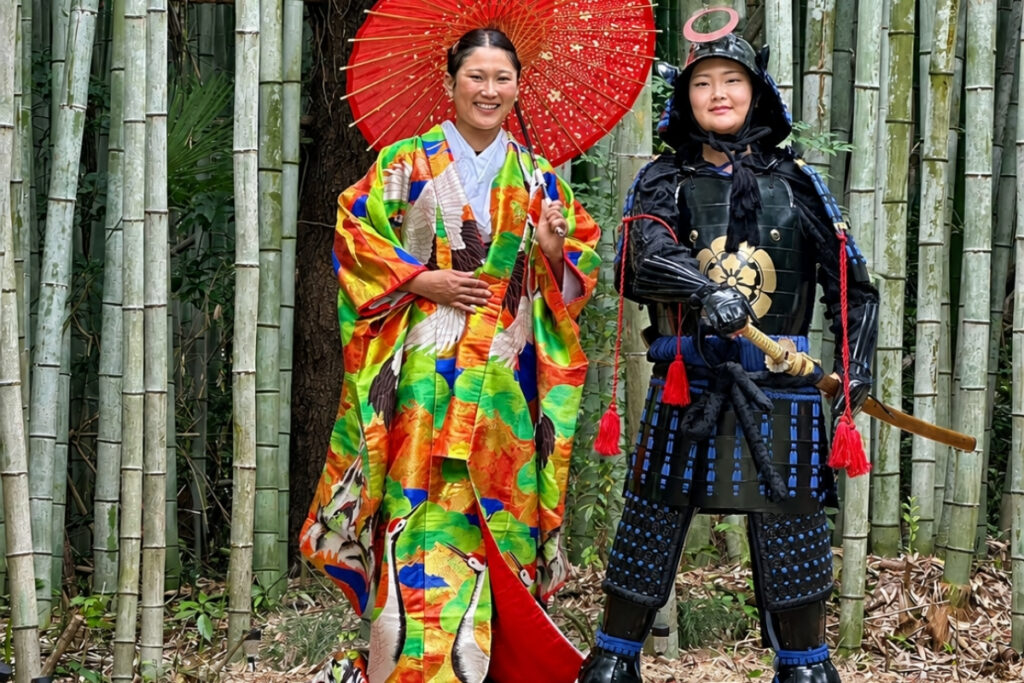
Wide and pleated, these trousers are tied at the waist over a kimono. By the Heian period (794–1185) they were already part of formal dress at the imperial court, and the samurai class later made them its everyday formal wear. For a warrior, the cut mattered. Umanori-bakama, “horse-riding hakama,” are divided into two legs so the wearer can sit astride a saddle, while the undivided andon-bakama came into wide use much later.
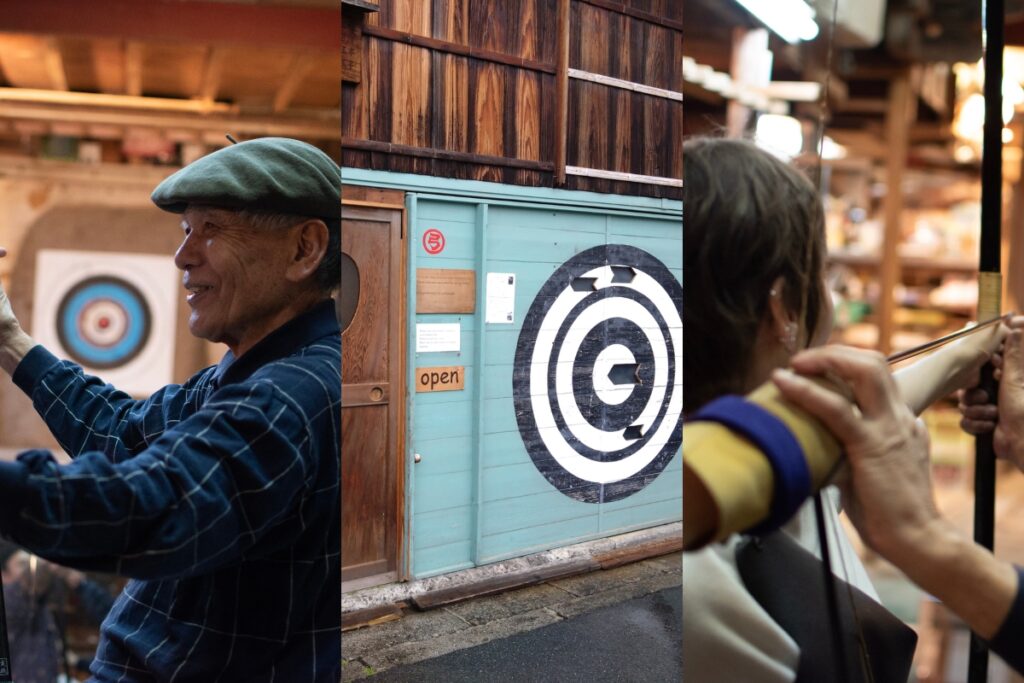
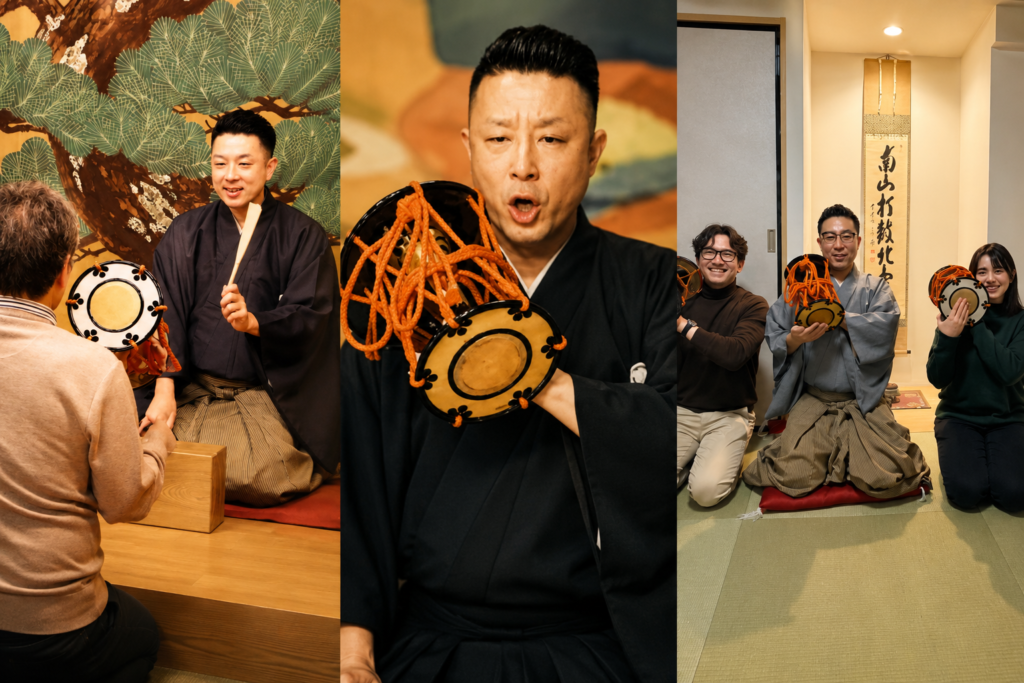
The pleats are folded with care: five at the front and two at the back, often said to stand for the virtues a samurai was expected to keep. Even so, hakama never fully left Japanese life. They are still worn today in kyudo archery, kendo and aikido, at formal tea gatherings, and by many young women at their university graduation.