Rhojani Francisco
Writer
Table of Contents
Ten thousand athletes, forty-odd sports, fifty-four venues spread across a prefecture most international visitors have never seriously considered. The Asian Games run in Aichi from 19 September to 4 October, and the Asian Para Games follow from 18 to 24 October.
If you are here for them, you already know your schedule has gaps in it. Sessions end at three in the afternoon. Your event is on Tuesday and it’s Sunday. Someone in your group is competing and you are not.
This is about those gaps — and about the fact that the region you are sitting in is considerably more interesting than its reputation suggests.
The Games Brought You to a Region Most Visitors Skip
Aichi is where a great deal of Japan is actually made. Toyota is headquartered here. So is the ceramics industry at Seto and Tokoname, the shibori dyeing tradition at Arimatsu, and a set of food traditions — miso-heavy, distinctive, regionally proud — that Nagoya people will happily argue about.
What it does not have is a marquee attraction. There is no Fushimi Inari here, no Kinkaku-ji. Which is exactly why the Shinkansen carries most visitors straight through to Kyoto.
The upshot for you is that the good things here are not crowded, not queued, and not performed for an audience. They are simply ongoing.
We wrote a broader guide to the prefecture for Games visitors — our full Aichi guide for Games visitors covers the sights, the food and the districts. This article is about the other thing: what you can actually do with a free afternoon.
What to Do Between Events
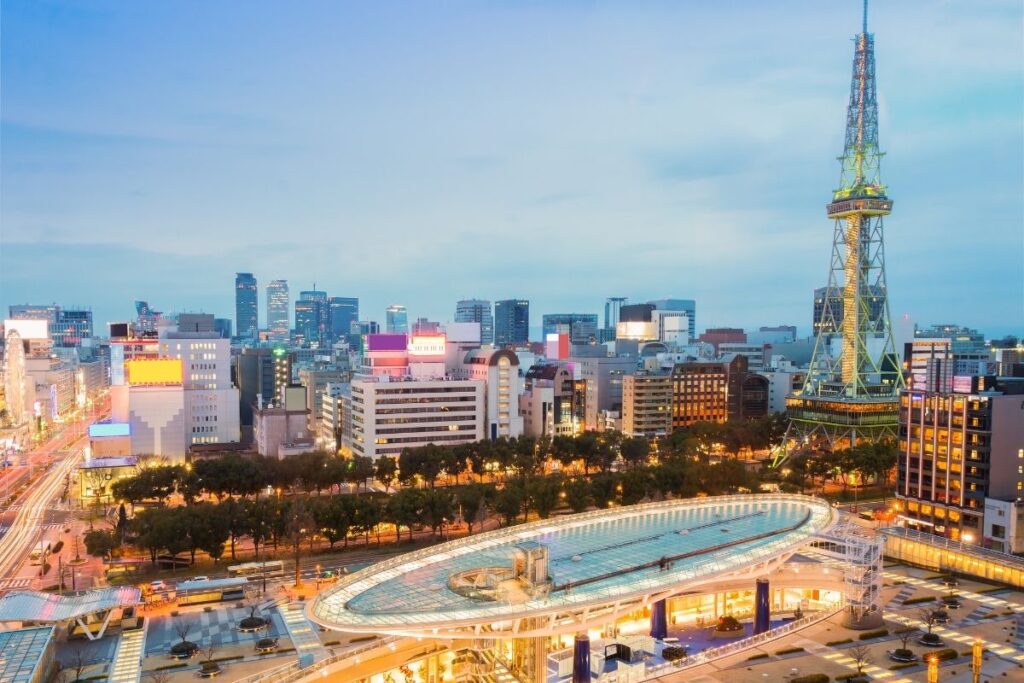
Stay in the city. Ōsu is the most rewarding district to walk without a plan — a covered arcade of second-hand clothing, electronics, temples and food stalls, five minutes from the subway. Nagoya Castle and the Tokugawa Art Museum are both comfortable half-afternoons.
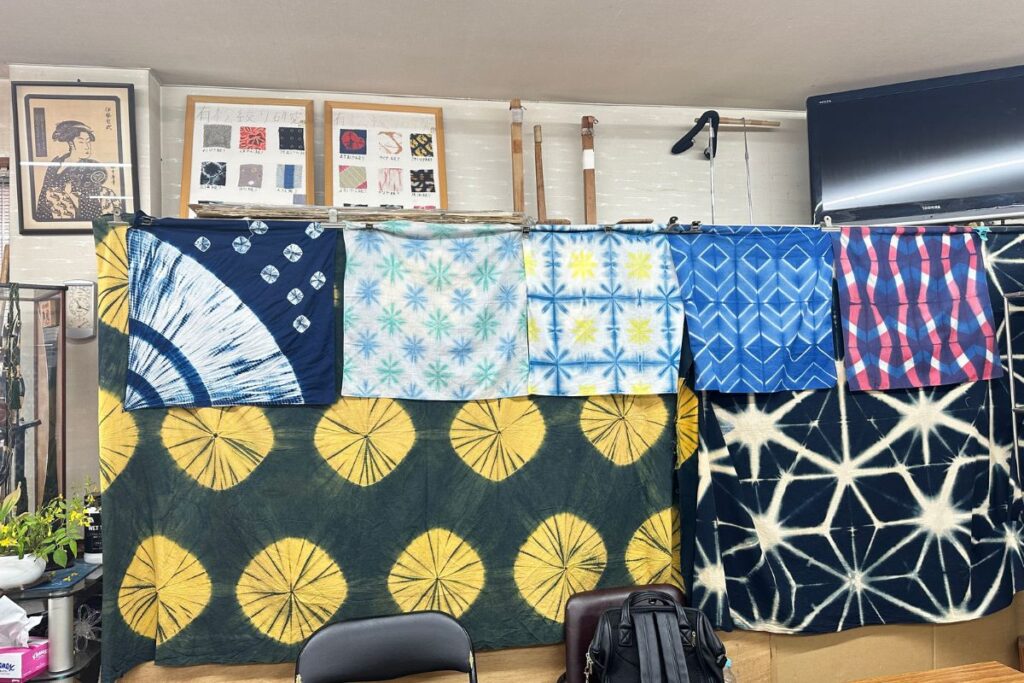
If you would rather do something than see something, this is the right length for a workshop: calligraphy, koto, shibori dyeing. Two hours, indoors, and it does not matter if it rains.
Leave the city. Inuyama is thirty minutes north on the Meitetsu line and is the strongest half-day within reach — see below.
Alternatively Tokoname, on the way to Centrair, for the pottery footpath. Convenient if you are flying out or watching the esports at the Aichi International Exhibition Center, which is in the same town.
Inuyama properly: the castle in the morning, the old town at midday, and a booked experience in the afternoon. Or the Shōryūdō route north towards Gifu if you want mountains.
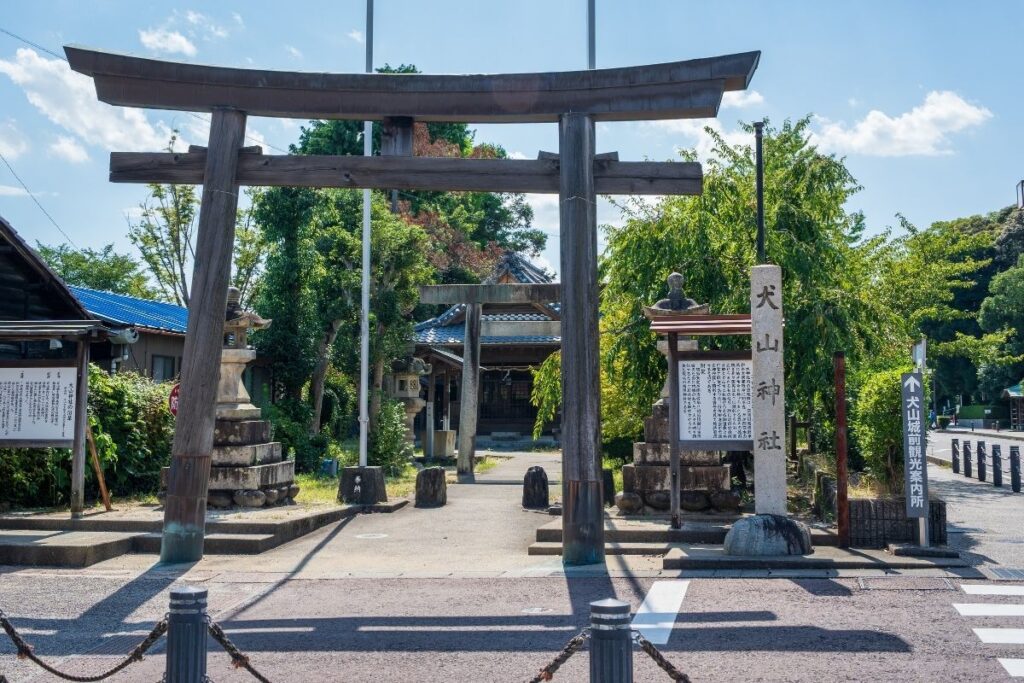
Inuyama: The Best Half-Day You Can Reach from Nagoya
Thirty minutes from Meitetsu Nagoya Station, no transfer, around ¥630 each way.
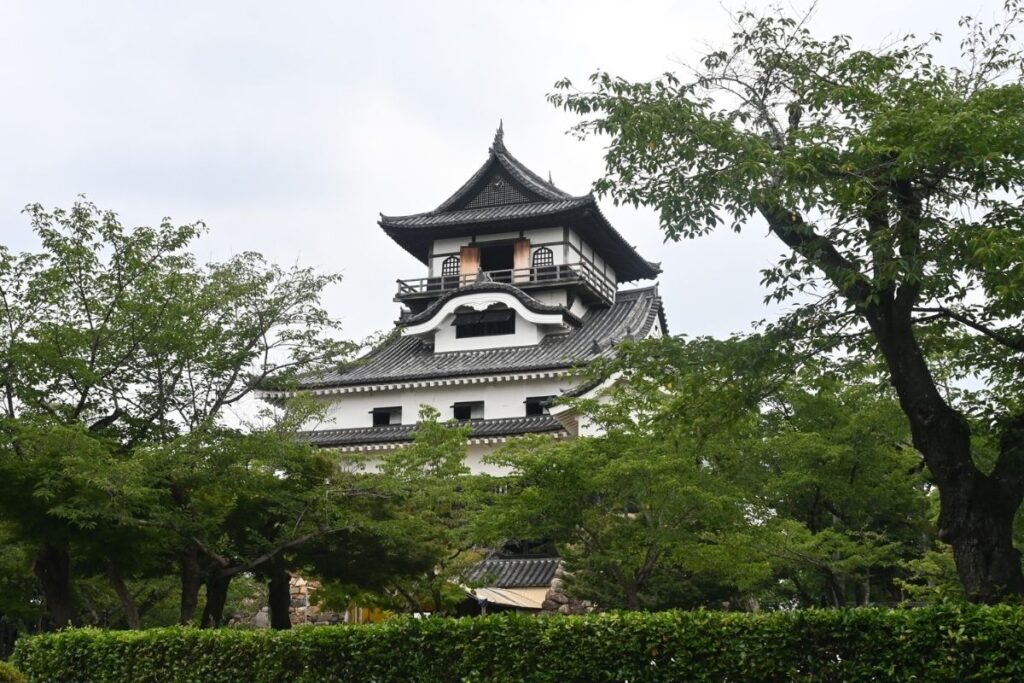
Inuyama has an original castle keep — one of only twelve left standing in Japan and one of five National Treasures — above a preserved castle town on the Kiso River. It is small. You walk everywhere. Nothing is more than fifteen minutes from anything else.
Go early if you go at all. Admission rose to ¥1,000 for adults on 1 March 2026, and during peak weekends this year the queue to enter the keep has reached two hours. At opening on a weekday, you walk straight in.
But the castle is not the most unusual thing in Inuyama.
A 400-Year-Old Tradition You Can Step Inside
A few minutes from Inuyama Station, behind a frontage with no English sign, the Kojima family have been making the same drink since 1597.
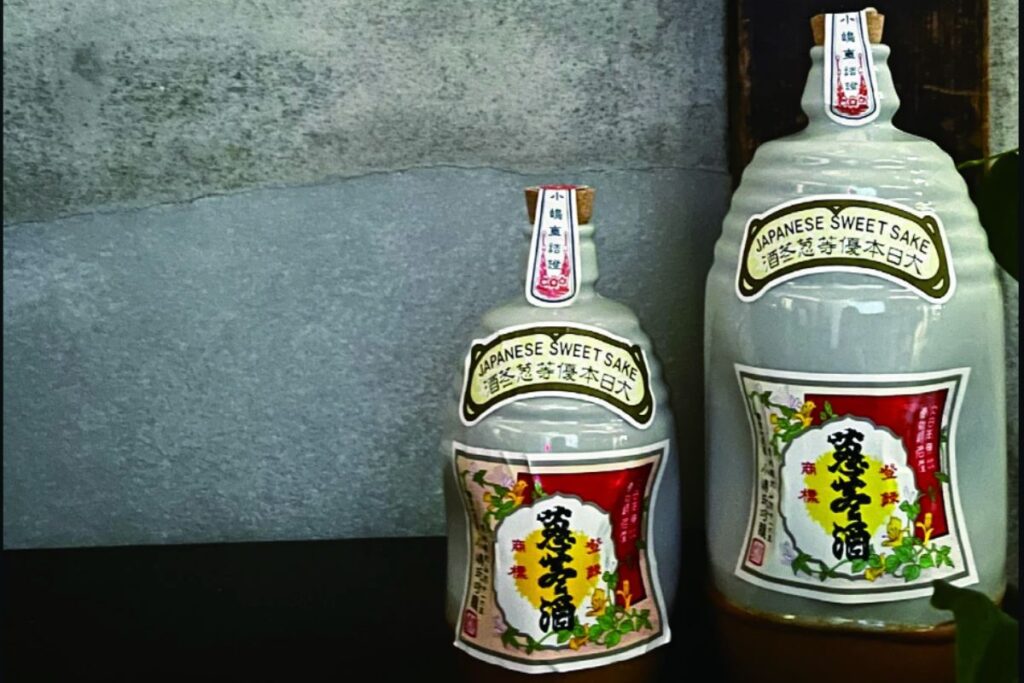
It is called Nindōshu, and it is not sake. It is a medicinal liqueur made from Japanese honeysuckle steeped with rice — thick, herbal, around 24% alcohol. It was the drink the lords of Inuyama Castle sent up to the shogun. It was once also made in Hamamatsu and in Kishū; both those lines ended. This one did not.
The part that makes it genuinely unusual is that the recipe has never been written down. For four centuries it has passed by word of mouth, once a generation, to a single child — a practice called isshi sōden. Nothing on paper. Nothing taught outside the family. Only recently has the current generation begun recording it, on the reasoning that a method living in one person’s memory can end in an afternoon.
There is a shop at the front where anyone can buy a bottle. The brewery behind it runs no public tours.
Why this suits a Games visitor specifically: it is ninety minutes, it is thirty minutes from central Nagoya, it takes small numbers so it can be slotted around an unpredictable schedule, and it is the kind of thing you will describe when you get home rather than the kind you photograph and forget. It is also, bluntly, not arrangeable on your own.
The full history is the recipe that was never written down.

What Actually Happens
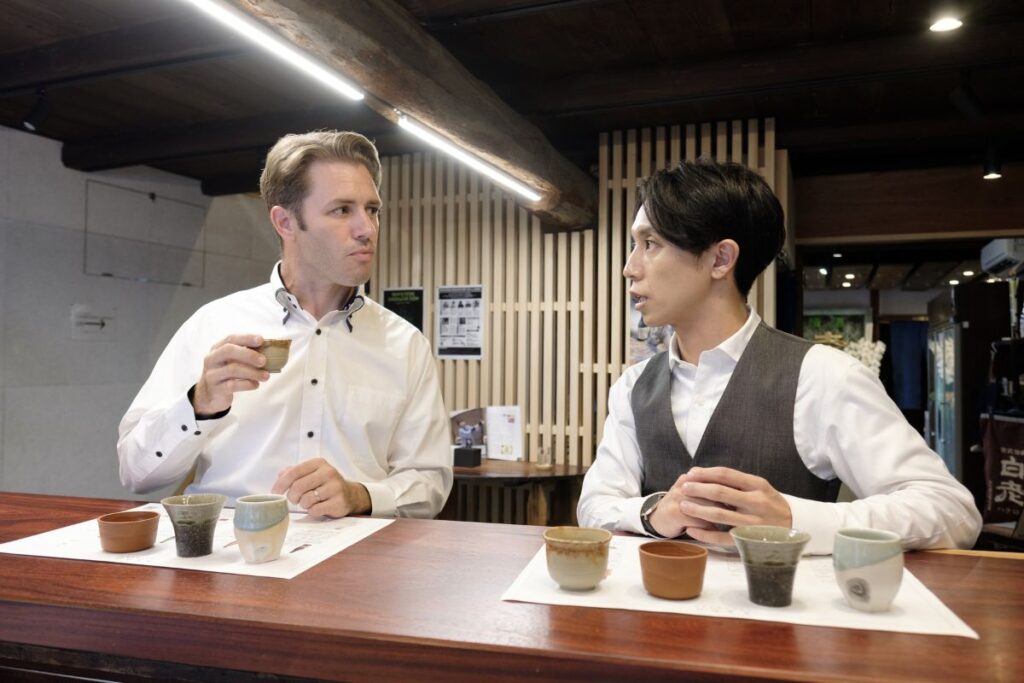
- You are met at the brewery by a member of the family, with an English-speaking interpreter so nothing is lost in the retelling.
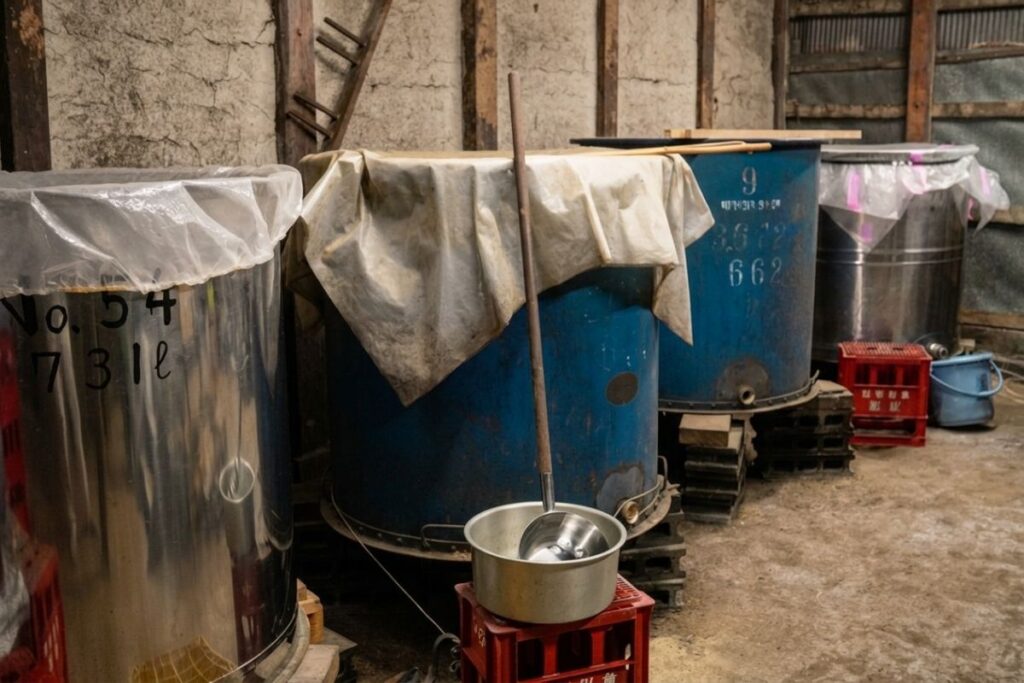
- You walk the working cellars — the rice press, the ceramic jars sunk into the earthen floor to hold an even temperature, equipment that has not moved in generations. Seven structures here are Registered Tangible Cultural Properties.
- You taste four to five pours, including unfiltered Nindōshu drawn before filtering, and the family’s newer fruit-infused expressions.
- You seal two bottles yourself on the brewery’s cast-iron hand press.
- You write your own labels by hand.
- One bottle goes home with you that day.
- The second is laid down in the cellar under your name, to mature for at least two years.
- You come back for it — or have it sent on when it is ready.
Ninety minutes. Up to six guests. ¥22,000 per person.
How This Differs from a Standard Brewery Tour
Japan has excellent sake brewery tours and this is not an argument against them. It is a different proposition.
A typical brewery tasting shows you a process: a scheduled public tour, fifteen to thirty people, a guide, often a purpose-built visitor space, and a bottle from the gift shop at the end.
The Nindōshu Taiken is a drink made in one place on earth, in a building protected as a cultural property, hosted by the family who make it, capped at six — and you leave having sealed and labelled two bottles by hand, one of which stays behind for two years.
One shows you how something is made. The other gives you a small part in it.
Other Experiences Worth Your Free Afternoon
A short list rather than a catalogue. All are in Nagoya or within thirty minutes of it.
— a cooking class in a Nagoya home, which is the fastest way to understand why Nagoya’s food is argued about. Good for families and for anyone tired of restaurant meals.
— Arimatsu shibori, the indigo tie-dyeing tradition that has been practised in the same Nagoya district since the seventeenth century. You dye something and take it with you. Strong for repeat visitors who want a craft they have not already done in Kyoto.
— a private calligraphy session, or a private koto lesson with a working musician. Both are indoors, both are short, and the koto in particular is something almost no visitor thinks to ask for.
— a kimono, tea and bento afternoon on a garden estate that takes one booking a day. Three hours including lunch, for two to four guests. If your group would rather sit in a garden than walk a cellar, this is the other Inuyama answer.
— yukata and a traditional barber cut in Ōsu, which is more fun than it sounds and produces better pictures than a stadium selfie.
Building an Itinerary Around an Unpredictable Schedule
Competition schedules move. Sessions run long. Someone qualifies unexpectedly and your Thursday disappears.
A few things that make this easier:
Book the morning, keep the afternoon loose — or the reverse, depending on your event. Half-day experiences slot around a single session far more easily than full-day tours.
Keep the out-of-town trip for a clear day. Inuyama is only thirty minutes away, but you do not want to be on a train watching the clock.
Treat the rest day as the real opportunity. Most spectators have one. It is the day worth booking properly.
The day before you fly out is the most under-used slot in any trip. If you are departing from Centrair, Tokoname is on the way.
If You've Already Done Tokyo, Kyoto and Osaka
This is where Aichi is genuinely interesting.
If you have walked Fushimi Inari at dawn and queued at Kinkaku-ji, you have seen Japan’s headline acts. What you may not have seen is a working craft district, a family business in its fifteenth generation, or a building that is still doing in 2026 what it was built to do in the seventeenth century.
Aichi is full of that, precisely because it was never organised around visitors. The Games are an unusually good reason to be here for it.
Practical Planning
Getting to Inuyama — Meitetsu Inuyama Line from Meitetsu Nagoya Station, 25–32 minutes, around ¥630, no transfer and no reservation. Use the west exit.
How much time to allow — half a day for Inuyama including travel; two to three hours for a city workshop.
Group sizes — most of what we run takes small numbers. The Nindōshu Taiken takes up to six; the Inuyama tea afternoon takes two to four and one group a day.
Booking ahead — yes, particularly during the Games. Small-capacity experiences fill, and we cannot add seats.
If your schedule changes — tell us as early as you can and we will try to move you rather than cancel. Cancellation terms are on each experience page.
Language — the Nindōshu Taiken includes an English-speaking interpreter. Others vary; each page states what is provided.
Frequently asked questions
What can I do in Nagoya during the Asian Games?
Ōsu for walking, Nagoya Castle and the Tokugawa Art Museum for half an afternoon, or a short cultural workshop — calligraphy, koto, shibori dyeing. With half a day free, Inuyama is thirty minutes north and the strongest trip within reach.
What can I do between Asian Games events?
Most experiences worth booking take two to three hours, which fits between sessions. Keep full-day trips for a rest day.
How far is Inuyama from Nagoya?
About 30 minutes by Meitetsu from Meitetsu Nagoya Station, direct, around ¥630.
Is Inuyama worth visiting during the Games?
Yes — it has an original castle keep, a preserved castle town, and a 1597 brewery you cannot visit independently. Half a day covers it.
What is Nindōshu?
A Japanese medicinal liqueur made from Japanese honeysuckle steeped with rice, produced in Inuyama since 1597.
Can visitors tour the Nindōshu brewery?
There is a shop at the front open to anyone. The brewery itself runs no public tours; the Nindōshu Taiken is the only way into the cellars.
Can I book a private experience in Aichi?
Yes. Most of what we run takes small numbers, and several are private by default.
What about the Asian Para Games?
They run 18–24 October 2026 at the same main venue. Everything in this article applies, and October is a better month for Inuyama than September.
Share This Article
Ready to experience real Japan?
Private tours, year-round. Tell us what you’re looking for and we’ll build it around you.
旅